Lab Name:- UNDERGROUND COAL & OPEN CAST MINE LAB
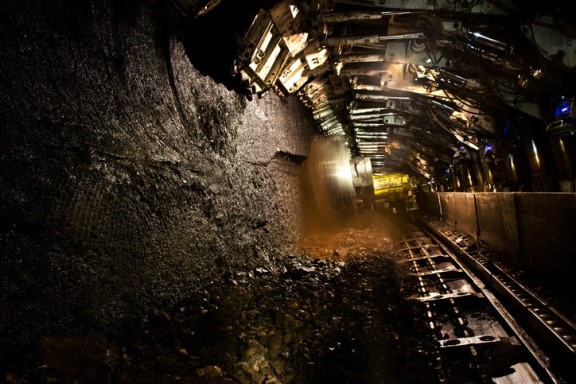
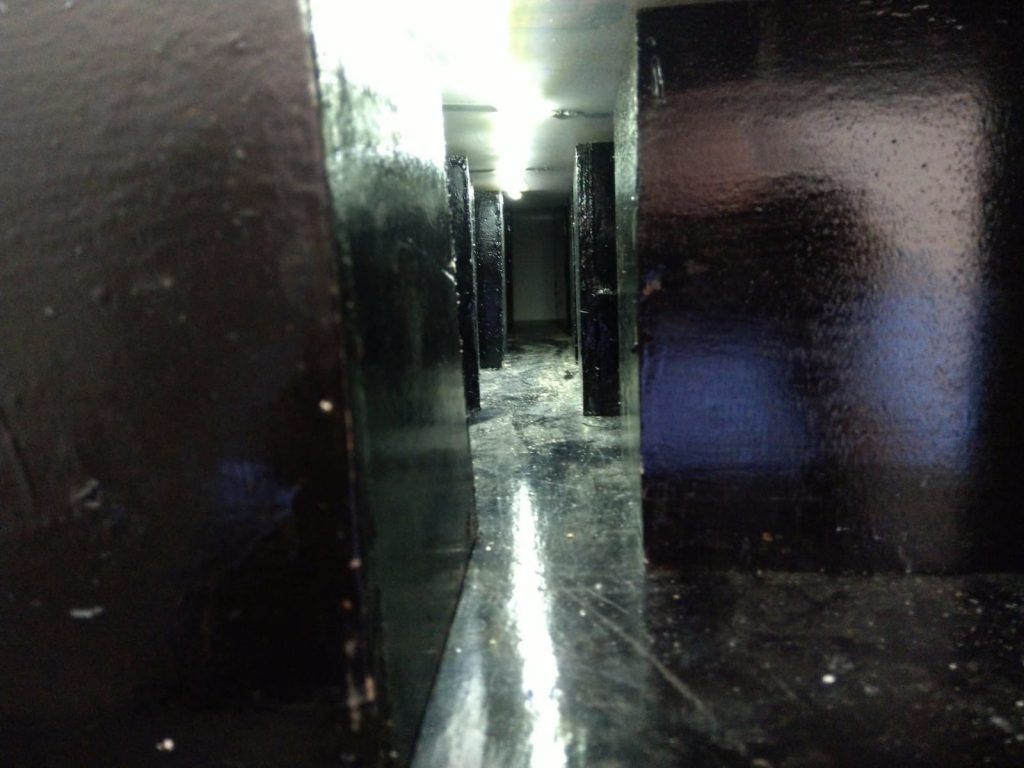
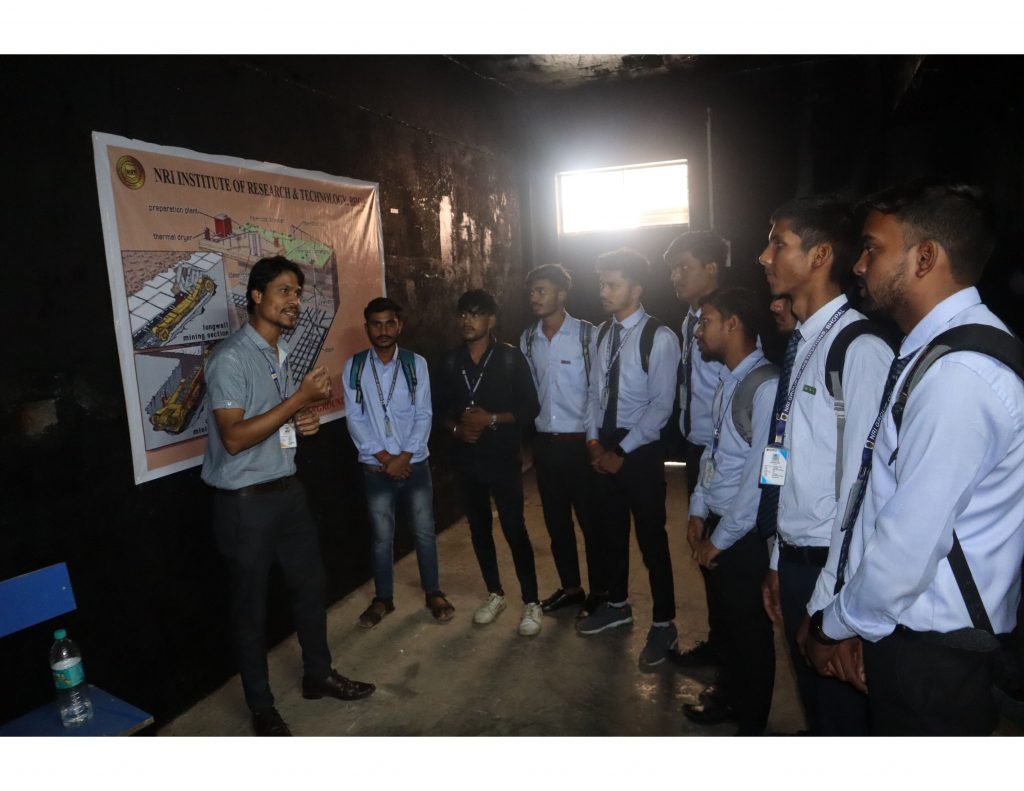
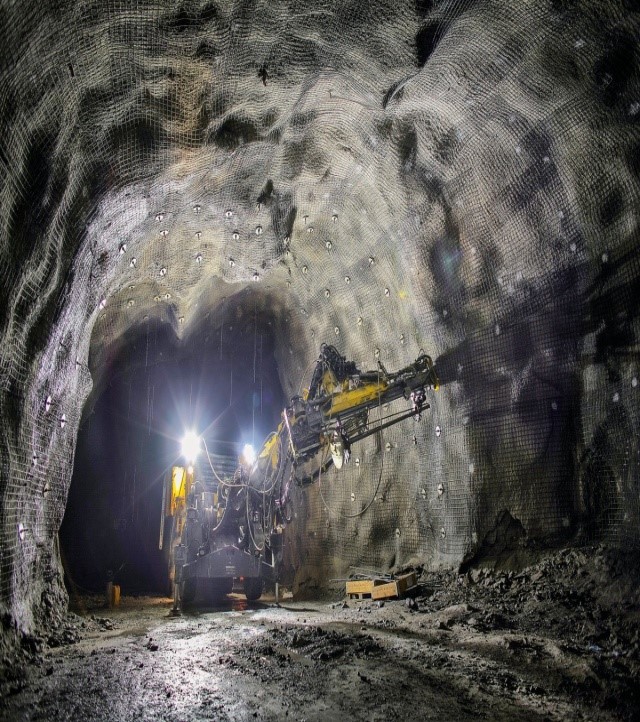
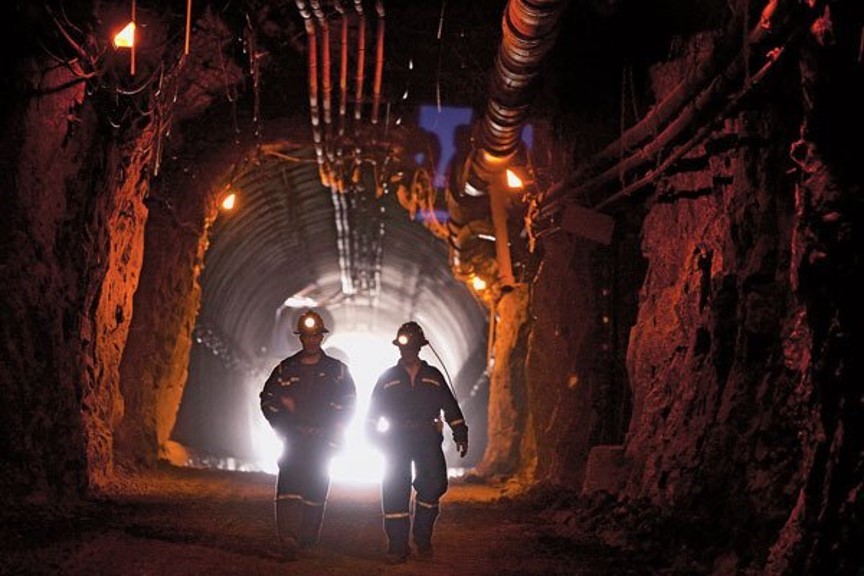
About – An underground coal mine is a mine at which coal is produced by tunneling into the earth to the coalbed, which is then mined with underground mining equipment such as cutting machines and continuous, longwall, and short wall mining machines, and transported to the surface. Underground specialized mining equipment such as trucks, loaders, diggers, etc. are used to excavate the material and are normally hauled to the surface with skips or lifts for further processing. Drilling is normally required to place explosive charges to liberate the minerals from the overburdened material. In the underground coal mine laboratory, we try to show the work environments of underground mines so that students properly understand and correlate the concept and terminologies. In this lab, we show the students that how coal is extracted and transported to the surface from underground. In this process, we also teach about opening in mines different types of safety precautions, machines used, and blasting patterns.


Lab Name:- DRILLING AND BLASTING LAB
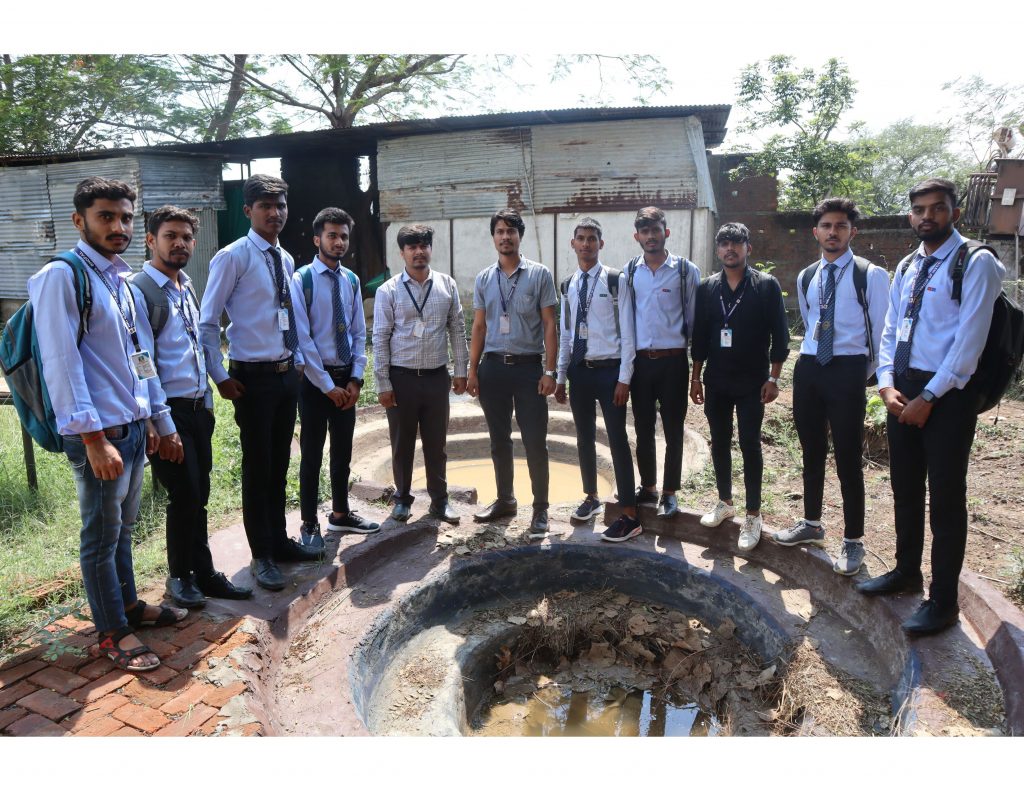
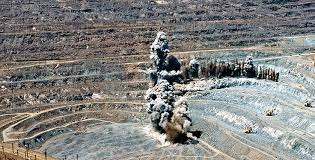
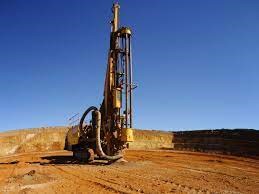
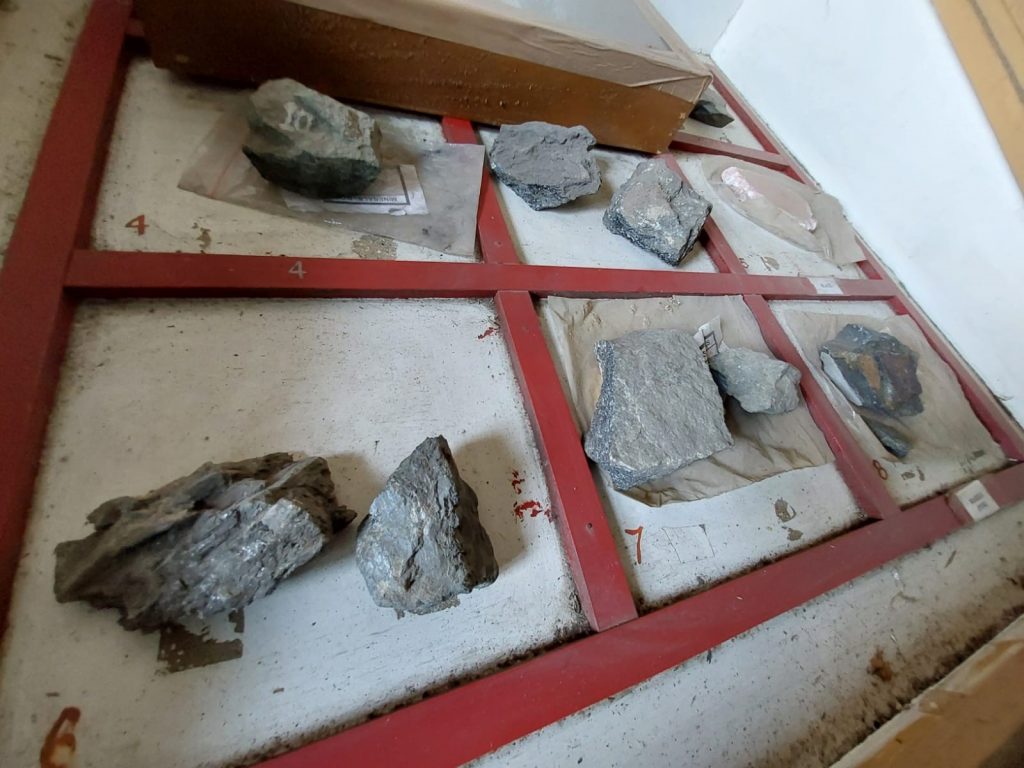
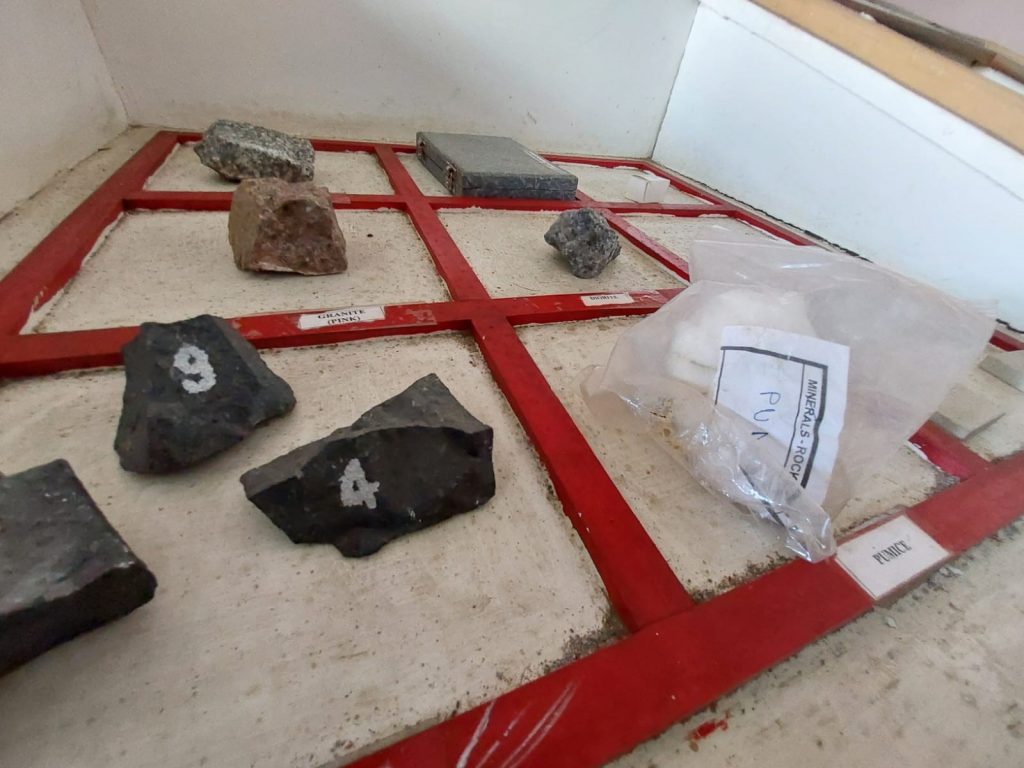
About – Drilling and Blasting is the most popular and predominant rock excavation technique. The main advantage of this technique is that it can be universally applicable if it is designed suitably. This course will cover the basics of Rock geology related to drilling application, the fundamentals of the drilling and blasting process during rock excavation in surface and sub-surface excavation, and also it’s engineering as well as economic feasibility. In the drilling and blasting technology lab, we discuss drilling and how it is done through various instruments like drill machines and using various types of bits. In order to properly understand the concept Rock samples were collected from the drilling locations and the physical and mechanical properties of the rocks were determined both in the field and in the laboratory.
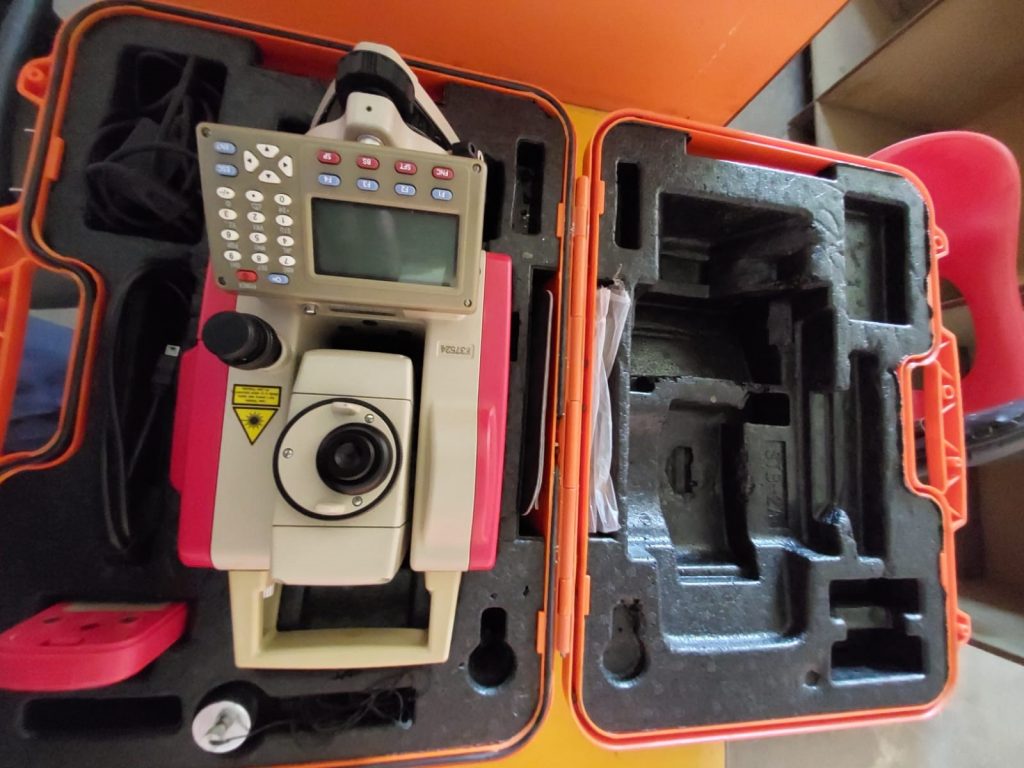
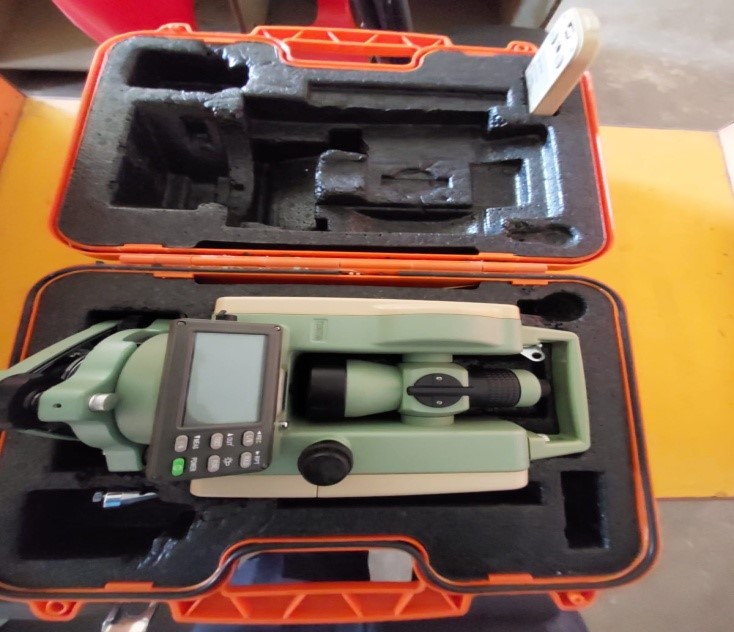
Lab Name: MINING SURVEYING LAB
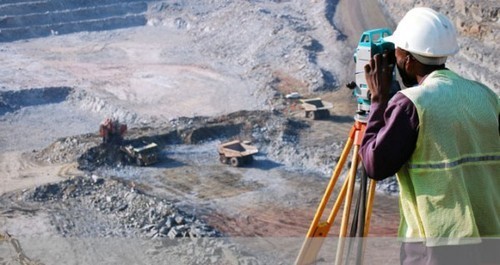
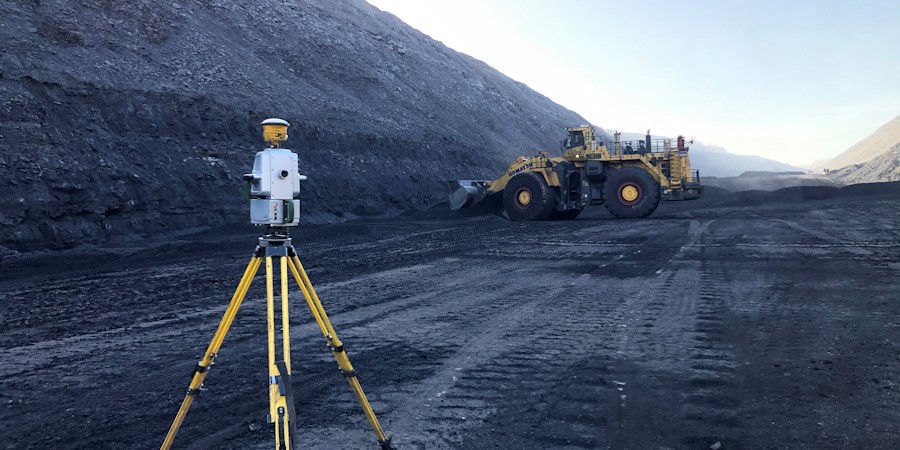
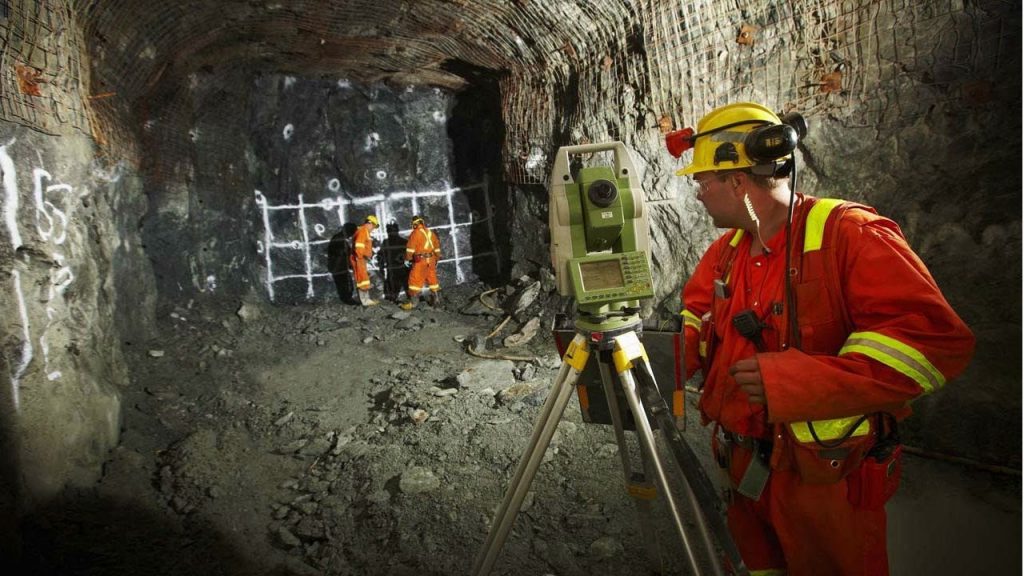
About- Mine surveying is the practice of determining the relative positions of points on or beneath the surface of the earth by direct or indirect measurements of distance, direction & elevation. Using surveying minimizes the risk that potential mining sites may not contain resources. Mining surveys are also used to provide information about mine and tunnel dimensions. This important information greatly impacts the safety of miners and the industry.
Surveying and mapping practice in the mining industry encompasses most surveying fields; its main difference is that it has a direct effect on the safety of people working in the mines. Accurate surveys and reliable maps are a prerequisite to a successful mining operation. If an accident occurs, such as a roof fall or an onrush of water or oxygen-deficient air, surveying operations must be performed immediately to aid in rescue efforts. Time is important, and confidence in the surveying and mapping system of the mine is essential. If a rescue borehole is needed, a spatial position must be promptly established on the surface or in an adjacent mine; a good surface-underground three-dimensional coordinate system is required.
Lab Name:- UNDERGROUND METAL MINE LAB
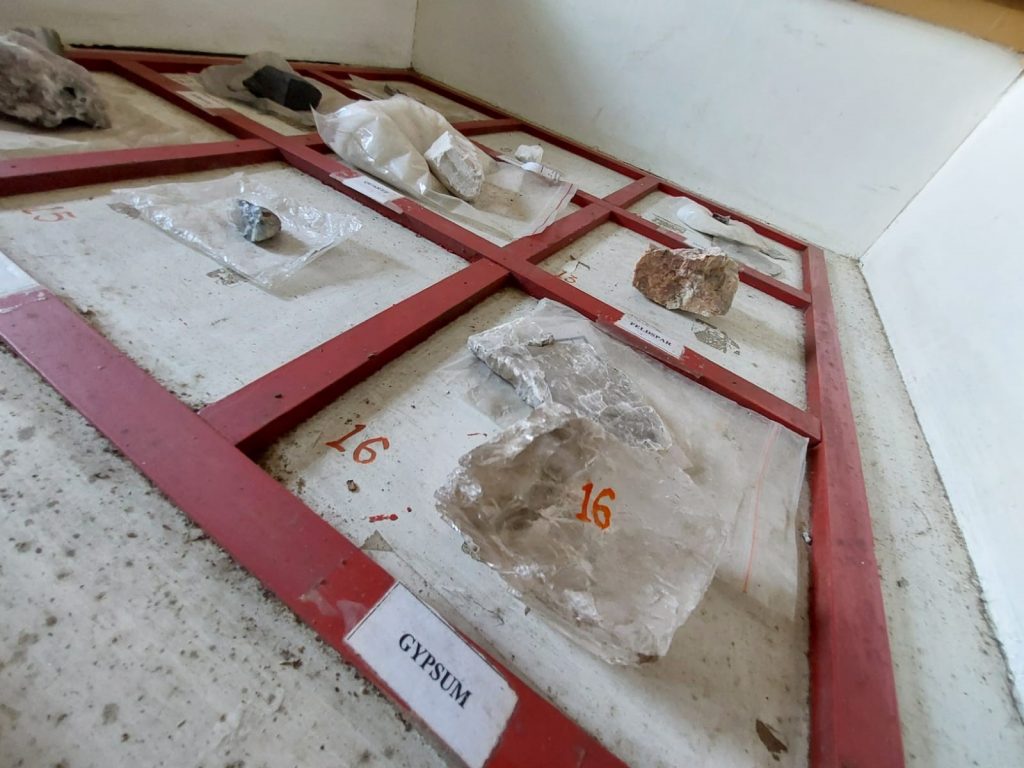
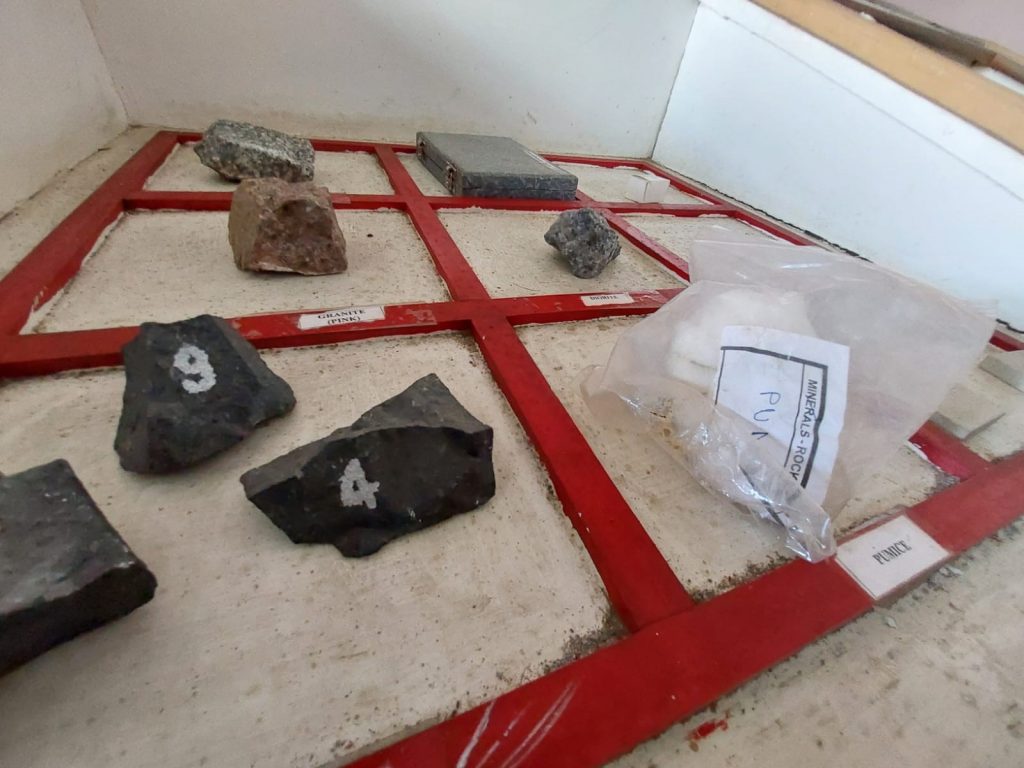
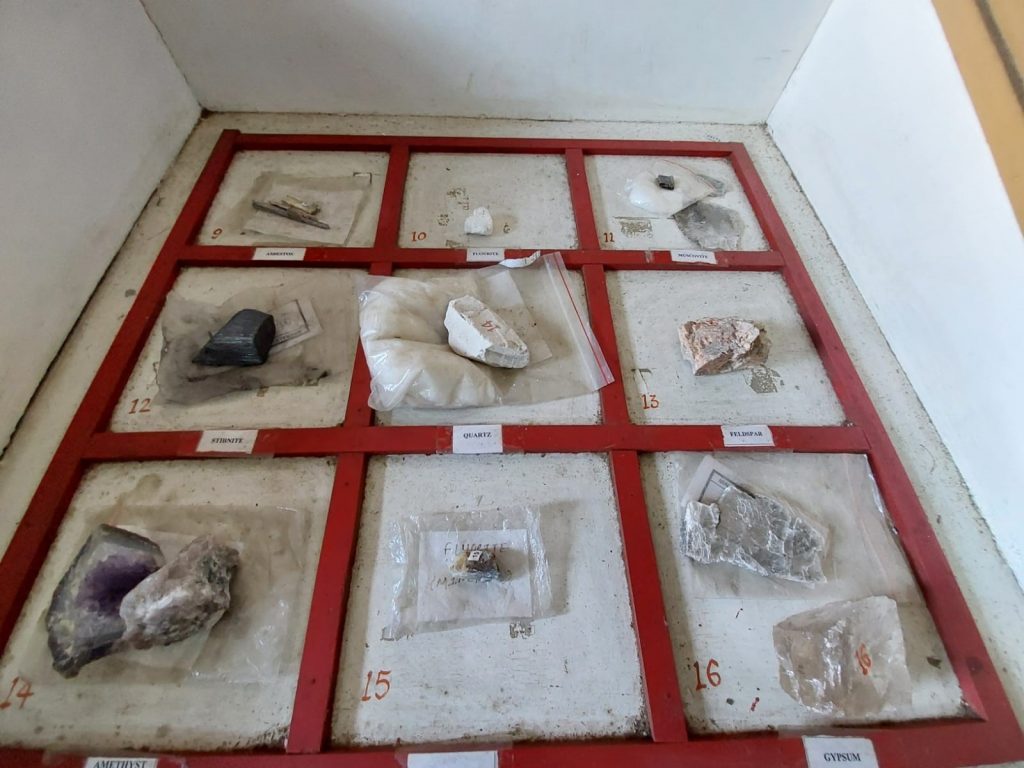
ABOUT- In this lab we study hard rock mining as in most cases the metal is found in hard rock. In this lab, we study how to extract the metals like iron, copper, gold, etc through underground means. A detailed study is made through various visits, models, and different online mediums.
Lab Name:- MINERAL PROCESSING LAB
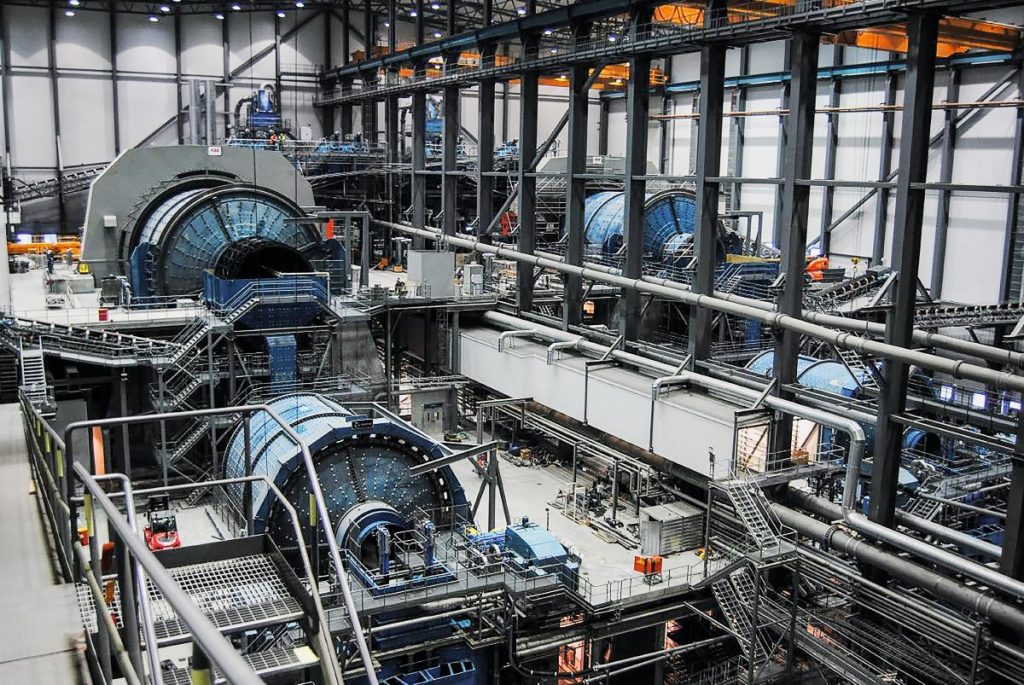
ABOUT- The profitability of a mine is based on how much concentrate of the desirable mineral can be extracted from the ore. As a result, mineral processing is designed to yield the maximum amount of mineral concentrate possible before products hit the market. Mineral processing is the art and technology of treating ores from the mining areas in order to separate the valuable minerals from the waste rock. It includes processes to provide a more concentrated material for the procedures of the following extractive metallurgy.
THERE ARE 4 STAGES OF MINERAL PROCESSING
- Crushing and grinding. Crushing and grinding is the process of reducing the particle size of large rocks to be further processed down the line.
- Sizing and classification. Sizing and classification is the process of separating different sizes of ore by screens. Finer materials are routed to different stages of the mine than coarser materials.
- Concentration. Concentration is the process of breaking down the materials until the desired concentration of crude material is reached.
- Dewatering. Dewatering is the final process of removing the water content of the mineral in order to dispose of the gangue and reach the desired concentration levels for marketability.
Lab Name:- ROCK MECHANICS
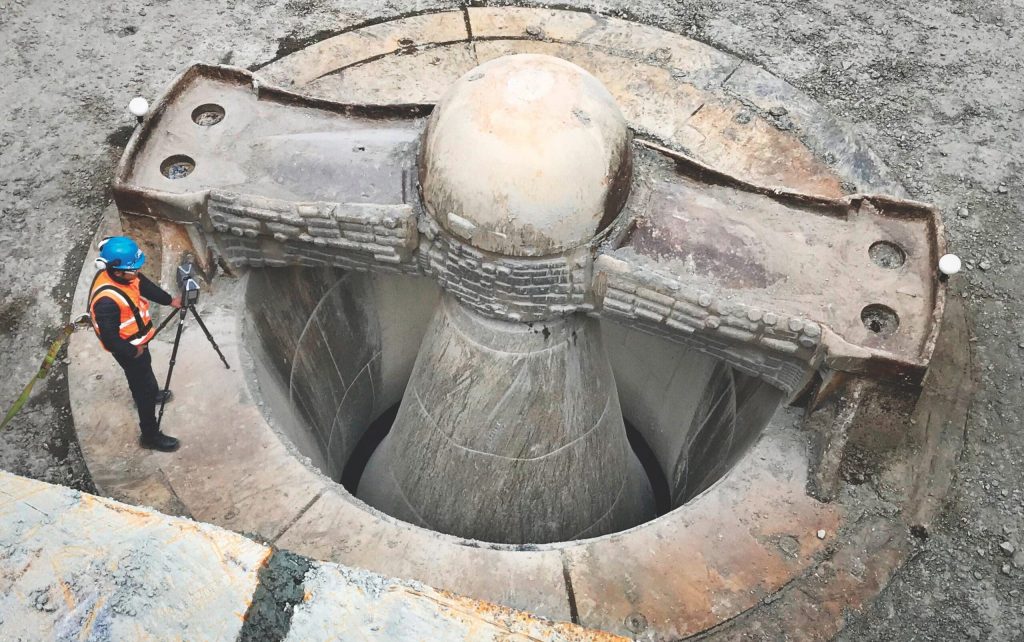
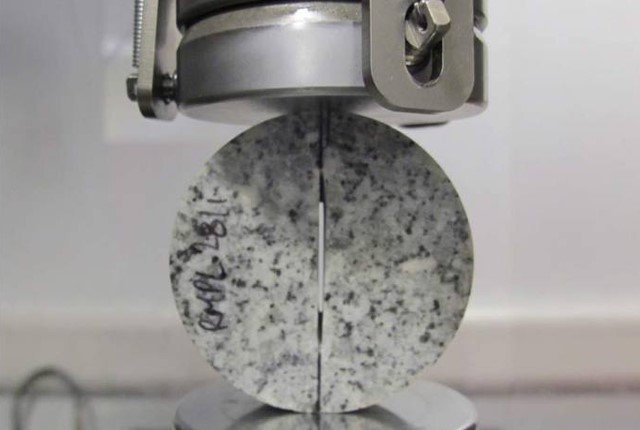
ABOUT- The purpose of rock mechanics is to understand how and why rock deforms either as a sporadic or catastrophic event. It is commonly applied to civil and geological engineering, mining, drilling, and conventional reservoir geohazard evaluation. Rock Mechanics is the theoretical and applied science of the behavior of rock. It is that branch of. mechanics, which is concerned, with the response of rock to the field of its environment. These techniques. apply to surface excavation as well as underground. Mining must, by its very nature, deal with geologic material as it exists. An understanding of the mechanical behavior of the material, whether it be ore or host rock, can greatly contribute to the ease of extraction and the design and maintenance of mine openings, both surface and underground. Basic research is comprised of four elements: defining the structural setting, understanding rock mass response, modification of the rock mass, and improving design tools.
Lab Name:- MINING ENVIRONMENT
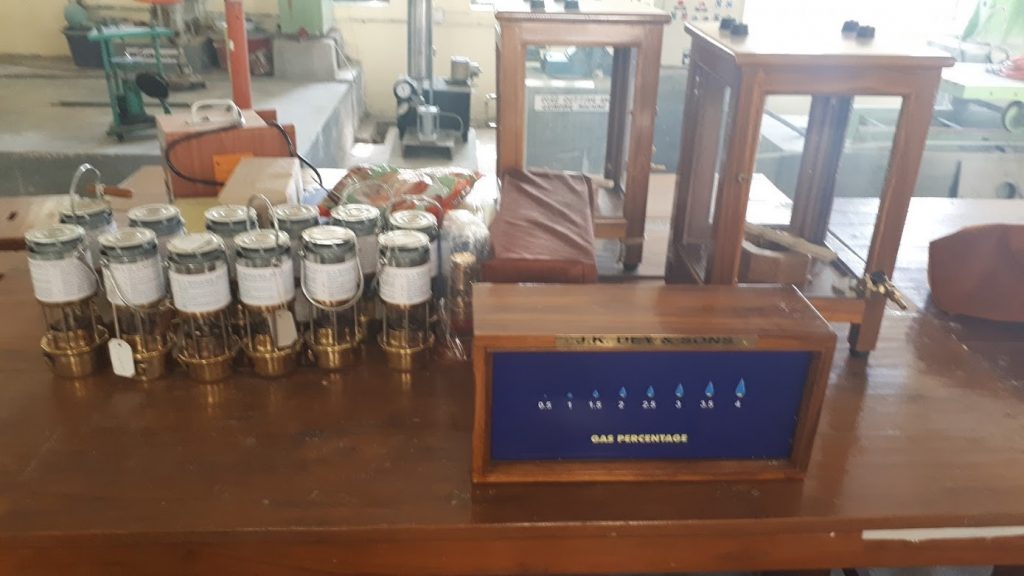
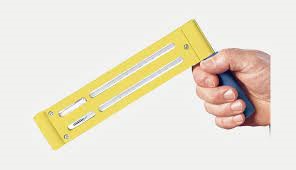
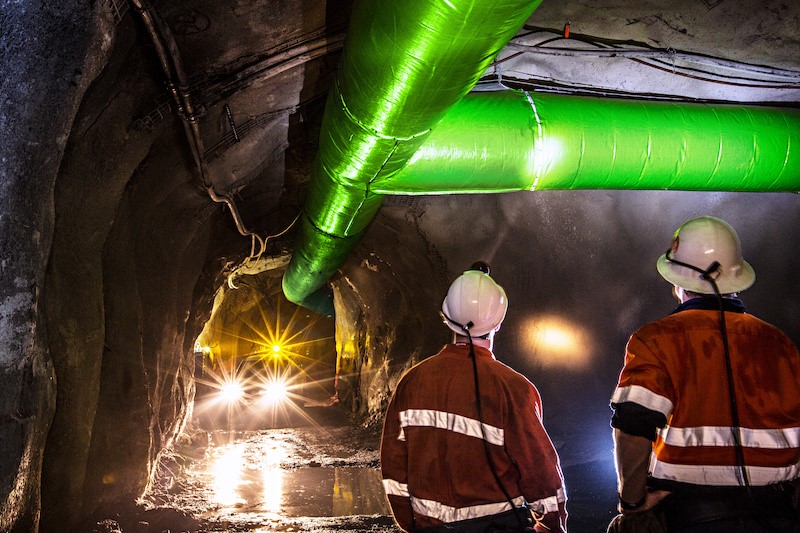
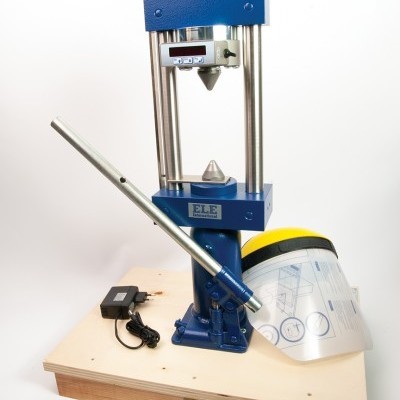
ABOUT- Air ventilation can dilute and remove toxic and potentially explosive gases. It is also necessary for regulating the temperature inside the mine. Temperature levels in underground mines range from extremity-numbing cold to such heat that can cause dehydration in a matter of minutes by profusely sweating. Ventilation in underground mines gives the ability to remove and dilute harmful dust and gas. The dust and gas can be a by-product of the ore being mined, explosives, or machinery exhaust. In this lab, with the help of different equipment, we give students live demos of instruments so that they can operate and help the industry in the best way possible.